House rental scams in Houston: A
Safety checklist for students
Moving to a new city comes with many decisions. Housing is one of
the biggest. For students arriving in Houston, the search for
an apartment often begins online. You will see many property
listings. Many price variations. Most of the time not similar to
what you see online.
House rental scams in Houston have become a growing
concern for students, especially those searching for housing from
another city or country. Scammers often target people who need
accommodation quickly. International students and first-time renters
are usually the easiest targets.
In this blog, we will discuss how rental scams work and how to avoid
them before signing a lease. This will also help international
students and first-time renters.
Students often move under tight timelines. Because housing must be
secured quickly, many rush through the search process. Because of
that pressure, scammers sometimes try to take advantage of the
situation. Areas with strong student populations see this the most.
Neighborhoods like
Third Ward,
Midtown Houston, and
MacGregor are always on
students’ radar. They’re close to universities. Easy access to
transport. Lots of shared housing. Scammers usually target these
areas.
They’ll copy photos from real apartments in these areas and repost
them somewhere else. Sometimes with a cheaper price. Sometimes with
a story about needing to rent the place quickly.
Scammers also ask for deposits before students can verify the
property. And when someone is trying to lock in housing before
arriving in Houston, it’s easy to fall for it.
Note: Don’t deposit any money without verifying any property.
This tactic helps students to avoid unnecessary financial loss.
Trusted Student Accommodation
Find safe and reliable off-campus housing in Houston.
Rental scams do not always look obvious. Many fraudulent listings
appear professional and convincing. We will discuss some of the most
common types of student housing scams in Houston.
Fake online apartment listings
One common tactic is to copy photos from genuine apartment websites.
The scammer then creates a new listing using the same images but a
different contact number. They will offer you a price that looks
attractive.
Sometimes it is even cheaper than the average rent. Once a student
shows interest, the scammer asks for a deposit to “secure the
apartment.” After the payment is sent, the listing disappears.
Deposit requests before viewing
Another frequent scam involves asking students to send money before
visiting the property. The explanation usually sounds urgent. The
scammer may say multiple students are interested.
They may claim the apartment will be reserved only after a deposit
is received. Real landlords normally allow property viewing before
requesting payment.
Absent landlord scam
The “owner” explains that they currently live overseas. Maybe
working abroad. There’s always a reason they can’t meet in person.
They’ll offer to mail the keys after receiving payment.
Students who are searching from outside the U.S. sometimes trust
this explanation. It sounds reasonable at first. This is one of the
most well-known rental scams targeting international students.
Background check fee scams
Application fees and background checks are common in many rentals.
Scammers sometimes misuse this process. They will ask students to
pay repeated fees or unusually high charges for background checks
before showing the property. If the landlord keeps requesting new
payments, it is a clear warning sign.
Duplicate property listings
Some scammers post the same apartment listing across multiple
websites with different prices. Each listing may have a different
phone number or email address.
If you notice inconsistent information across platforms, the listing
may not be legitimate.
Students should be careful about the common warning signs of a
scammer. We made a list of the 10 most common warning signs:
The rent price is much lower than that of other apartments in the
same area.
The landlord refuses to meet or schedule a property visit.
The listing asks for payment before viewing the apartment.
Photos look professional, but the address cannot be verified.
The listing description contains vague details.
No formal lease agreement is provided.
The landlord claims to be overseas and unavailable.
Extra fees are requested repeatedly for background checks.
The landlord avoids sharing legal documentation.
The same property appears on several websites with different
contact details.
Overall, the scammer will pressure you to make a quick decision. If
several of these signs appear in one listing, it is best to move on
and continue your search elsewhere.
How to verify a landlord before renting
Taking a few simple steps can help students confirm whether a rental
listing is legitimate. These steps help prevent serious financial
problems later.
Search the property address online. Sometimes the same apartment
appears on official rental websites with correct contact
information.
Ask the landlord for identification and ownership documents. A
legitimate property owner should not hesitate to provide basic
verification.
Request a property tour. This can be an in-person visit or a live
video walkthrough if you are not in Houston yet.
Check tenant reviews when possible. Previous renters often share
useful insights about property management and building conditions.
Find Safe Student Housing in Houston
Explore verified and secure accommodation options for students.
Student apartment safety tips before signing a lease
Even when a listing appears legitimate, students should review
several details before signing a lease. You can follow these simple
steps to avoid hassle:
Step 1: Start by carefully reading the rental agreement.
Make sure all fees, deposits, and payment terms are clearly
written.
Step 2: Inspect the apartment if possible. Check lighting,
security access, and general building maintenance.
Step 3: Confirm what amenities are included. Utilities,
internet, and parking may not always be part of the rent.
Step 4: Finally, keep copies of every document related to
the rental process. This includes payment receipts, emails, and
lease agreements.
Proper documentation protects students in case any dispute happens
later.
What to do if you get scammed
Unfortunately, some students only realize the scam after sending
money. You have to
fight against the scammers strategically. If this happens, quick action is important.
First, you should contact your bank or the provider of the
payments. The payments can be reversed.
Second, report the incident to the
Houston Police Department. This will help the authorities track the fraud.
Lastly, the website where the ad was found should be notified.
This will help other students avoid fraudulent listings.
Why do many students choose verified housing options
Searching through random listings can be stressful. It becomes even
harder when students cannot visit properties in person. Because of
that, many students prefer verified housing providers that
specialize in student accommodation.
Managed student housing usually offers clearer communication,
structured leases, and proper documentation. These factors reduce
the risk of scams significantly.
Why students trust For A Place To Live (FAPTL)
Students looking for
apartments near universities often explore
options through For A Place To Live. We offer
affordable student housingin Houston. The
listings are designed for student living and general rentals. You’ll
usually find things students care about most.
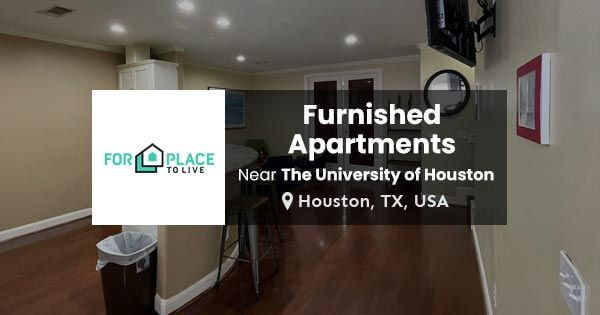
Furnished apartments near the University of Houston offer 2 to 4-bedroom/bathroom options, starting at 275 square feet per unit, including all amenities.
For A Place To Live LLC do business per the
federal Fair Housing Laws. The law makes illegal any discrimination in the sale, lease, or
rental of housing, or making housing otherwise unavailable, because of race, color,
religion, sex, handicap, familial status, or national origin.



 832-617-0020