How to make a small apartment feel bigger: A practical guide
Moving into your first apartment is exciting. Then reality kicks in. You unpack a few suitcases, buy a study
desk, add a chair, and suddenly the place feels much smaller than it did during the tour. That happens more
often than people expect, especially if you're living in a student apartment or a studio.
A small apartment doesn't have to feel cramped. With a few smart changes, even a compact space can look
brighter, feel more open, and become much easier to live in. Most of these ideas don't require expensive
furniture or major renovations either, which is great news for renters.
If you're living in Houston or planning to move into a
student apartment
soon, these practical tips can help you make every square foot count.
Transforming a small apartment into a spacious-feeling home is easier than you might think. By rethinking
how you organize, choose furniture, and utilize light, you can create a more open and functional living
environment without the need for major renovations.
Here are some practical ideas to maximize your room space without making big changes:
Start by looking at the space differently
Making an apartment feel bigger isn't always about finding more space. Most of the time, it's about using
the space you already have in a smarter way. Walk through your apartment for a few minutes.
Is there a corner that never gets used?
Is your desk taking up more room than necessary?
Could one piece of furniture do two jobs instead of one?
Little observations like these often lead to the biggest improvements.
Clear the clutter before buying anything
People often think they need new furniture to improve a small apartment. Usually, they don't. Too many
decorative items, boxes, unused clothes, and random accessories can make even a decent-sized room feel
crowded.
Remove items you don't use every week.
Store seasonal clothing separately.
Keep your desk free from unnecessary items.
Avoid filling every shelf just because there's space.
A cleaner room naturally feels larger. It's one of the easiest improvements you can make, and it doesn't
cost anything.
Choose furniture that works
This is probably the biggest difference between a comfortable small apartment and one that always feels
crowded. Every piece of furniture should have a purpose. Better yet, two purposes. Some practical ideas
include:
A bed with built-in storage underneath
An ottoman that also stores blankets or books
A foldable dining table
A study desk with shelves
A storage bench near the entrance
Don't push every piece against the wall
Many renters automatically place every chair, table, and sofa directly against the walls because they think
it creates more space. Sometimes it does. Sometimes it has the opposite effect.
Leaving a little breathing room behind larger furniture can actually make the room feel wider. Even a few
inches of visible floor create the impression of openness.
Make mirrors work for you
Mirrors have been used in interior design for years, and for good reason. They reflect both light and the
room itself, making compact spaces feel more open than they actually are.
A large mirror opposite a window works especially well.
Natural daylight bounces around the room instead of stopping at one wall.
Even smaller mirrors placed carefully can brighten darker corners.
Keep colors light
Lighter shades create a brighter atmosphere and help walls feel farther apart. If you're renting, painting
may not always be allowed. Instead, try using:
Light-colored bedding
Neutral curtains
White or beige storage boxes
Soft-colored rugs
Bright cushions
Under-bed storage is free space you can use
Under-bed storage is a valuable storage space sitting empty. Storage bins or rolling containers can hold:
Winter clothes
Extra bedding
Shoes
Luggage
Course materials from previous semesters
Once those items disappear from closets and corners, the whole room immediately feels cleaner.
Organize by your daily routine
A room can look beautiful and still feel frustrating to live in. That's because organization isn't only
about appearance. It's about convenience. Keep everyday items where you naturally use them. For example:
Chargers near your desk
Study materials beside your workspace
Laundry basket near your closet
Frequently used kitchen items within easy reach
Let natural light do more of the work
Natural light changes the feeling of a room almost instantly. If your apartment has windows, don't block
them with heavy furniture or dark curtains. Use lightweight curtains whenever possible. Open them during the
day.
You'll notice the apartment feels larger, fresher, and more welcoming without spending a single dollar. If
natural light is limited, choose warm LED lighting instead of relying on one bright ceiling light. Several
smaller light sources usually create a softer, more spacious atmosphere.
Furniture that saves space vs. Furniture that doesn't
Choosing the right furniture makes a bigger difference than most people realize. In a small apartment, every
item should earn its place.
Furniture that saves space
Furniture that doesn't
Bed with built-in storage
Large bed frame with no storage
Foldable dining table
Oversized dining table
Storage ottoman
Decorative table with no function
Wall-mounted shelves
Wide floor cabinets
Compact study desk with storage
Bulky desk that takes up extra floor space
Nesting tables
Large coffee table that rarely gets used
Common mistakes that make an apartment feel smaller
You don't always need to buy something new to improve a small apartment. Sometimes, avoiding a few common
mistakes makes a bigger difference than adding more furniture. Here are a few things worth paying attention
to:
Buying big furniture: Before buying anything, measure the room first. Then check the furniture
dimensions. Leaving enough space to move around comfortably is just as important as the furniture itself.
Filling every empty corner: An empty corner isn't wasted space. In fact, open areas help a room
breathe. When every corner holds a shelf, chair, or storage unit, the apartment starts feeling crowded.
Ignoring storage: Clutter rarely appears overnight. It builds little by little. Books on the desk.
Laundry on a chair. Without proper storage, small apartments become messy much faster than larger homes.
Blocking natural light: Placing tall furniture in front of windows makes a room feel darker and
more enclosed. Try to keep windows as open as possible.
Decorating every surface: A few decorations make a place feel personal. Too many make it feel busy.
Instead of covering every shelf, table, and wall with decorative pieces, choose a few items you genuinely
enjoy. The room will feel calmer, cleaner, and more spacious.
Budget-friendly DIY ideas that actually help
Making your apartment feel bigger doesn't have to drain your wallet. A lot of improvements cost very little
and still change how the space feels. Here are a few simple ideas. Use matching storage baskets to reduce
visual clutter. Add peel-and-stick wallpaper to one small accent wall if your lease allows it.
Replace bulky curtains with lighter fabrics.
Organize cables using inexpensive cable clips or sleeves.
Add adhesive hooks inside closets for bags, hats, or jackets.
Use clear storage containers so everything is easier to find.
Rearrange furniture before buying anything new.
Make your space work for you
A small apartment doesn't have to feel limiting. With thoughtful furniture choices, better organization, and
a few renter-friendly updates, even a compact space can become comfortable, practical, and inviting.
If you're searching for
student-friendly apartments
that make smart use of space,
For A Place To Live
can help you explore rental options that fit your lifestyle and budget. Sometimes, finding the right
apartment is the first step toward making it feel like home.
Every apartment is different, and so is every renter's lifestyle. Still, many students ask similar questions
when trying to make a small apartment feel more comfortable.
Start by removing clutter and choosing furniture that serves more than one purpose. Use
mirrors to reflect natural light and keep the color palette light whenever possible. Making
better use of vertical storage can also free up valuable floor space. Most of these changes
are affordable and renter-friendly.
Multi-functional furniture is usually the best choice. Beds with built-in storage, foldable
tables, storage ottomans, and compact desks help maximize space without making the room feel
crowded. Every piece should add value instead of simply taking up floor space.
Yes, especially when placed near windows or opposite natural light. Mirrors create the
impression of more depth and help brighten darker areas of a room. It's one of the easiest
design tricks that doesn't require major changes.
Look for spaces that often go unused, such as under the bed, behind doors, or above desks.
Vertical shelving, storage bins, and closet organizers can increase storage without making
the apartment feel smaller. Keeping similar items together also makes everyday life more
organized.
Absolutely. Many renter-friendly products are designed to leave little or no damage behind.
Removable hooks, peel-and-stick wallpaper, tension rods, and freestanding shelves let you
personalize your apartment while following lease rules.
Light shades such as white, cream, beige, and soft gray generally reflect more light and
create an open feeling. You don't always need to paint the walls. Light-colored bedding,
curtains, rugs, and furniture can have a similar effect.
In most cases, yes. A few well-chosen furniture pieces usually work better than filling
every corner. Prioritizing functionality over quantity creates a cleaner layout and makes
moving around much easier.
Need student housing near campus?
For A Place To Live offers convenient student housing.
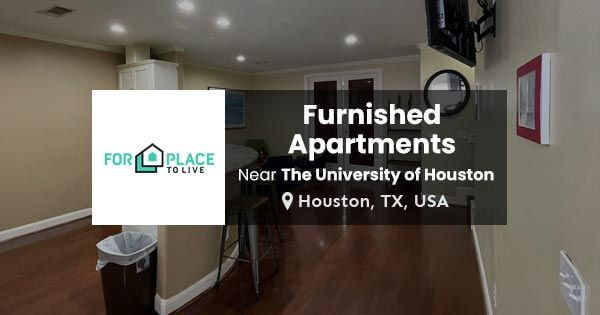
Furnished apartments near the University of Houston offer 2 to 4-bedroom/bathroom options, starting at 275 square feet per unit, including all amenities.
For A Place To Live LLC do business per the
federal Fair Housing Laws. The law makes illegal any discrimination in the sale, lease, or
rental of housing, or making housing otherwise unavailable, because of race, color,
religion, sex, handicap, familial status, or national origin.



 832-617-0020